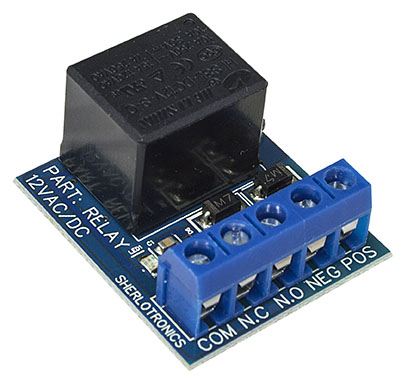
Description
relay board
n
-
n
- Converting Normally Closed contact to Normally Open
- Isolating electric fence energiser outputs to sensitive transmitter inputs
- Switching heavy current like sirens or strobe lights
- Switching high voltages like 240VAC lights
n
n
n
n
n
n
n
What is a relay?
n
n
n
n
n
-
n
- A relay is an electromechanical or electronic switch.
nnnnn
n
n
- It uses a low-voltage control signal to open or close a circuit, effectively switching a higher voltage or current on or off.
nnnnn
n
n
- Relays provide electrical isolation between the control circuit and the load circuit, protecting sensitive components.
nnnnn
n
n
n
n
n
n
n
n
n
n
What is a relay board?
n
n
n
n
n
-
n
- A relay board is a circuit board that houses one or more relays.
nnnnn
n
n
- It often includes additional components like indicator LEDs, protection diodes, and transistors.
nnnnn
n
n
- Relay boards can be single-channel (one relay) or multi-channel (multiple relays).
nnnnn
n
n
- They are commonly used to interface with microcontrollers like Arduino or Raspberry Pi to control various devices.
nnnnn
n
n
n
n
n
n
n
n
n
n
n
How it works:
n
n
n
n
n
-
n
- A low-voltage signal from the microcontroller is sent to the relay module.
nnnnn
n
n
- This signal energizes the relay’s electromagnet, causing it to attract an armature.
nnnnn
n
n
- The armature movement closes or opens the contacts, completing or breaking the circuit for the higher voltage/current load.
nnnnn
n
n
n
n
n
n
n
n
n
n
Common uses:
n
n
n
n
n
-
n
- Controlling motors: Turning motors on/off or controlling their speed.
nnnnn
n
n
- Switching lights: Controlling lighting circuits in homes or industrial settings.
nnnnn
n
n
- Activating solenoids: Controlling valves or other devices that require solenoid activation.
nnnnn
n
n
- Automating processes: Enabling automation in manufacturing or other industrial applications.
nnnnn
n
n
- Smart home systems: Controlling appliances or other devices based on user input or sensor data.
nnnnn
n
n
- Automotive systems: Controlling various functions like headlights, door locks, and more.
nnnnn
n
n
n
n
n
n
n
n
n
n
n
n
n
relay board Key features:
n
n
n
n
n
-
n
-
n
nnnInput voltage:
n
n
nRelay modules are available in various input voltage ratings (e.g., 5V, 12V, 24V).
nnnnn
n
n
n
n
n
n
-
n
nnnLoad capacity:
n
n
nRelays have specific voltage and current ratings for the circuits they control.
nnnnn
n
n
n
n
n
n
-
n
nnnNumber of channels:
n
n
nRelay boards can have single or multiple channels, allowing control of multiple devices.
nnnnn
n
n
n
n
n
n
-
n
nnnOpto-isolation:
n
Some relay modules include opto-isolation to further enhance electrical isolation between the control and load circuits.n
n
n
n
n
n
n
n
n


Reviews
There are no reviews yet.